6 Signs Your Fireplace Needs a Chimney Sweeper ASAP
A cozy fire brings comfort during chilly evenings, serving as a gathering point for warmth and relaxation. Operating a wood-burning or gas appliance requires ongoing vigilance to ensure that combustion byproducts exit your living space safely. Over time, hazardous deposits, organic blockages, and physical wear can compromise the integrity of your entire venting setup. Recognizing early indicators of system failure protects your property, preserves indoor air quality, and prevents catastrophic fires. Knowing when to seek assistance keeps your hearth operating efficiently throughout every heating season.
Many homeowners overlook subtle warning signs until minor maintenance issues escalate into severe hazards. Paying attention to how your fireplace performs, smells, and vents will help you identify underlying troubles before they cause permanent damage. Professional technicians possess specialized equipment to evaluate flues, liners, masonry, and damper mechanisms thoroughly. By staying proactive, you maintain optimal heating performance and safeguard your family against harmful fumes. Hiring a professional chimney sweeper at the first sign of trouble ensures your hearth remains a secure feature of your home.
1. Identify Excessive Creosote Buildup
Creosote is an inevitable byproduct of wood combustion that forms when smoke, water vapor, and unburned gases cool inside the flue. This dark, sticky tar clings to interior venting walls, gradually accumulating with every fire you burn. In its initial form, creosote appears as a flaky, soot-like powder that is simple to clean away. Left unaddressed, it thickens into a sticky substance and hardens into a dense, shiny glaze. This advanced accumulation presents an extreme fire hazard because hardened creosote is highly flammable and difficult to remove without professional intervention.
Detecting heavy creosote accumulation early requires paying close attention to visual cues and sensory signals around your fireplace opening. You might notice thick black deposits coating the damper or an intense odor lingering inside the firebox when idle. Because dense creosote restricts airflow, it reduces heating performance and increases the likelihood of dangerous heat buildup. Attempting to clear heavy glaze without proper tools can cause severe damage to internal liners and masonry. A trained chimney sweeper utilizes chemical treatments and rotary brushes to dissolve and remove these dangerous layers safely.
2. Stop Indoor Smoke Backdrafts
When a fireplace operates correctly, hot air and combustion gases rise naturally through the flue and exit outside your residence. If smoke begins spilling back into your living room instead of drafting upward, a significant ventilation failure has occurred. Indoor smoke is frequently caused by physical blockages within the flue, such as accumulated leaves, fallen mortar, or creosote buildup. Improperly positioned dampers, compromised flue liners, or unfavorable pressure differentials can also disrupt airflow. Identifying the precise cause of a backdraft is vital to restoring proper ventilation and maintaining a clean indoor living environment.
Allowing smoke to enter your home poses health risks to everyone inside, particularly children, elderly family members, and individuals with respiratory conditions. Smoke carries fine particulate matter, carbon monoxide, and toxic compounds that severely degrade indoor air quality and stain interior walls. Resolving persistent backdraft issues requires a comprehensive assessment of the entire venting structure, from hearth to chimney cap. Qualified technicians evaluate flue sizing, inspect draft mechanics, and clear deep obstructions that hinder air movement. Partnering with a skilled chimney sweeper eliminates dangerous backdrafts and guarantees that toxic combustion gases vent outside properly.
3. Eliminate Foul Chimney Odors
Unpleasant smells emanating from your hearth are clear indicators that your venting system requires immediate professional care. Musty, sour, or smoky odors often stem from moisture combining with lingering creosote deposits inside the flue. When rain or meltwater enters an uncapped chimney, it saturates internal soot, creating a heavy scent that permeates living areas. In other instances, rotting leaves or decomposing animals that have entered an unprotected flue create repulsive odors that worsen during humid weather.
Resolving persistent hearth odors demands more than temporary air fresheners; it requires identifying and rectifying the root cause within the structure. Moisture intrusion must be halted by inspecting chimney caps, flashing, and exterior masonry for potential leaks. Clearing accumulated organic matter and deep-seated creosote removes the organic compounds responsible for lingering smells. Experienced technicians use specialized equipment to sanitize the flue interior and seal off moisture entry points effectively. Calling an expert chimney sweeper ensures that foul odors are completely eradicated, restoring fresh, clean air to your home environment.
4. Remove Heavy Soot Accumulation
Soot is a fine carbon byproduct created during the incomplete combustion of fuel and firewood. While small amounts of soot gather inside any active firebox, excessive accumulation indicates inefficient burning or neglected maintenance. Heavy soot coats firebox walls, clogs damper mechanisms, and falls into the living space, creating messy conditions. When soot layers become thick, they act as an insulating barrier that reduces heat transfer, forcing you to burn more fuel to warm your home.
Breathing airborne soot particles can irritate delicate lung tissues, aggravate seasonal allergies, and trigger respiratory discomfort. A professional chimney sweeper employs industrial-grade vacuum systems and specialized brushes to capture soot without dispersing harmful dust into your living areas. During the cleaning process, technicians evaluate fuel usage habits and suggest adjustments to improve combustion efficiency. Clearing heavy soot deposits improves overall system draft, protects surrounding home furnishings, and maintains a clean hearth. Relying on professional cleaning services ensures your fireplace operates cleanly and safely throughout the coldest months of the year.
5. Repair Deteriorating Masonry Components
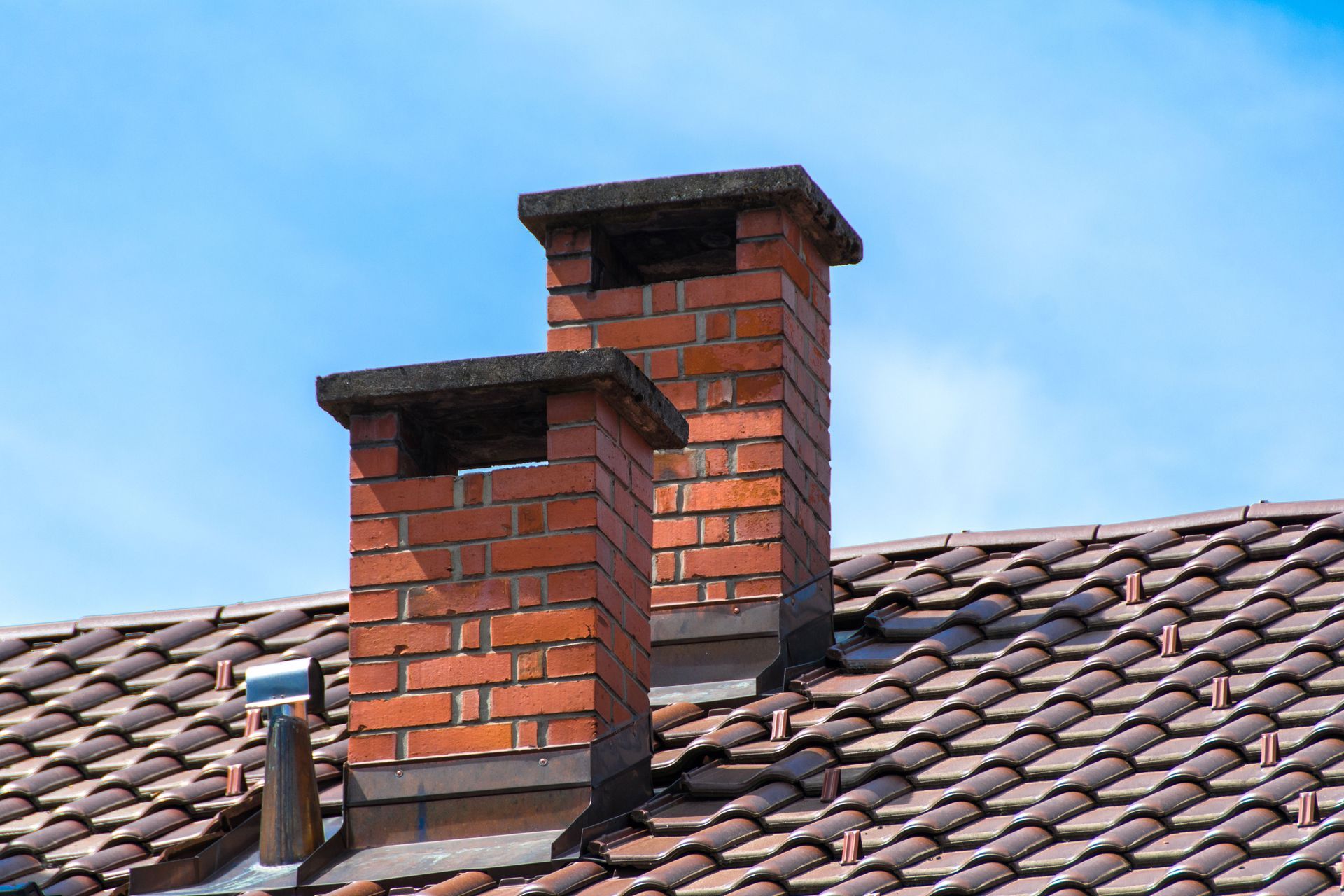
External masonry and internal liners endure extreme thermal stress, harsh weather conditions, and corrosive combustion gases over time. Cracking bricks, crumbling mortar joints, rusted dampers, and spalling clay liners represent structural deterioration that compromises safety. Water intrusion during freeze-thaw cycles causes trapped moisture to expand, fracturing bricks and destabilizing the stack. According to Verified Market Reports, the chimney repair services market within the United States held an estimated value of USD 1.2 billion in 2024 and is projected to climb to USD 1.8 billion by 2033, underscoring the growing need for structural restoration nationwide.
Neglecting visible structural damage allows minor cracks to expand into severe safety hazards or structural collapse. Broken flue liners allow intense heat and hot gases to contact surrounding wooden framing, increasing fire risks. Professional repairs, such as tuckpointing, liner replacements, and waterproof sealants, fortify the structure and extend its operational lifespan. Experienced technicians examine hidden components to identify concealed decay before failure occurs. Engaging an experienced chimney sweeper ensures that all structural components are meticulously inspected, repaired, and protected against future environmental wear.
6. Correct Escalating Heating Inefficiencies
A sudden increase in fuel consumption or a drop in room temperature indicates that your fireplace is losing thermal efficiency. When air channels are restricted by debris, creosote, or misaligned dampers, combustion receives insufficient oxygen, leading to weak, cool fires. Heat escapes rapidly through compromised masonry or improperly sealed flues rather than radiating into your living space. Damaged damper mechanisms may fail to seal completely when idle, creating cold drafts that pull warmed air out of your home. Addressing efficiency losses keeps your heating system working effectively.
Restoring optimal heating performance requires a detailed inspection of airflow mechanics, structural seals, and combustion quality. Technicians can recommend and install durable stainless steel liners, top-sealing dampers, or high-efficiency stove inserts to maximize heat output. Regular maintenance removes internal airflow restrictions, allowing fires to burn hotter and cleaner with significantly less fuel waste. Correcting drafting issues ensures that heat is directed where needed while safely expelling toxic byproducts. Working with a qualified chimney sweeper optimizes system efficiency, protecting your home against unnecessary fuel waste and drafty conditions.
Maintaining a safe, efficient fireplace requires consistent attention, early symptom recognition, and routine professional care. Proactive maintenance prevents severe hazards. Timely inspections protect your household against harmful fumes, structural damage, and unexpected heating failures. Partnering with a professional chimney sweeper ensures your hearth continues to serve as a reliable source of warmth, beauty, and comfort for years to come.
Investing in expert care gives you confidence that every component of your heating system meets rigorous safety standards. Whether you operate a traditional wood fireplace, a gas log set, or a freestanding pellet stove, dedicated maintenance keeps your home secure. Protect your investment, enhance heating efficiency, and ensure lasting peace of mind for your family this season. To schedule your comprehensive inspection or cleaning service, contact us today at Smitty's Chimney Sweep & Stoves.
Share On: