Fireplace Safety Checklist: How Chimney Sweepers Keep Your Home Warm and Hazard-Free
As the winter months approach, ensuring the safety and efficiency of your fireplace becomes a top priority for every homeowner. Professional chimney sweepers play a crucial role in maintaining your fireplace, ensuring it remains a safe source of warmth without posing a hazard to your property. This guide provides a comprehensive checklist to help you navigate the seasonal transition safely and effectively. By following these steps, you can enjoy the ambiance of a crackling fire while knowing your venting system is functioning at its absolute best.
A well-maintained fireplace does more than just provide heat; it adds value to your home and creates a focal point for family gatherings during the holidays. However, the complex nature of venting systems means that small issues can quickly escalate into significant structural problems if left unaddressed for too long. Regular attention to maintenance schedules ensures that you are never caught off guard by a sudden malfunction in the middle of a cold snap. Investing time in your fireplace now pays dividends in comfort and peace of mind throughout the entire year.
Understanding the Importance of Regular Chimney Inspections
The Risks of Neglecting Chimney Maintenance
A neglected chimney can lead to several dangerous safety hazards, including chimney fires often caused by excessive creosote buildup. Creosote is a highly flammable byproduct of burning wood that accumulates in the chimney lining over time and can ignite if not regularly removed by a technician. Additionally, damaged chimneys can lead to poor ventilation, resulting in smoke and toxic gases like carbon monoxide entering your living space rather than exiting through the roof. According to Data Insights Market, an estimated 15 million US homes have fireplaces or wood/pellet stoves that require regular maintenance, inspection, or repair. Neglecting these systems can lead to expensive masonry repairs that could have been avoided with simple, proactive care.
Frequency of Inspections: How Often is Enough?
Chimney inspections should be conducted at least once a year, even if the fireplace is only used infrequently in the winter. This annual check helps to catch potential structural issues early, preventing them from becoming expensive or dangerous problems during peak usage months. For homes that use their fireplace as a primary heat source, more frequent inspections may be necessary to manage the high volume of ash and residue. Keeping up with these scheduled checkups not only ensures safety but also enhances the overall efficiency and lifespan of your heating system. It is also wise to schedule an inspection if you notice any changes in performance, such as sluggish drafting or unusual odors.
Professional vs. DIY Inspections
While DIY inspections can be beneficial for quick surface-level checks, detailed inspections conducted by chimney sweepers are vital for deep safety analysis. Experts are equipped with specialized tools and technical knowledge to identify hidden hazards that might not be visible to the untrained eye behind the firebox walls. They provide thorough cleaning services that remove stubborn creosote deposits and blockages that a standard homeowner simply cannot reach with consumer-grade brushes. Combining your own visual monitoring with professional expertise offers the most comprehensive maintenance strategy possible for any residential property. Professional technicians can also offer specific advice on how to improve the efficiency of your specific fireplace model.
The Role of Professionals in Ensuring Safety
Modern Sweeping Techniques and Equipment
Modern chimney maintenance involves sophisticated techniques and advanced tools compared to the traditional manual methods used in decades past. Technological advancements such as high-definition video inspections and specialized rotating brushes allow chimney sweepers to conduct more precise evaluations of the internal flue tiles. These tools help in identifying minute structural cracks or hidden obstructions that would otherwise go unnoticed during a standard visual sweep. Powerful industrial vacuums and specialized dust containment systems also ensure that the cleaning process does not spread soot or fine dust throughout your home. This technology ensures that every inch of the ventilation path is accounted for and verified for safety.
Certification and Training Standards
Professional technicians undergo rigorous training and certification to ensure they meet the highest industry safety standards and building codes. Organizations like the Chimney Safety Institute of America provide certification programs focusing on technical inspection standards and modern maintenance techniques. Certified professionals are knowledgeable about the latest fire safety regulations and can provide specific advice on your specific fireplace model or wood stove insert. Homeowners should always look for these credentials to ensure their venting system is handled by a qualified technician who understands local fire codes. Training also includes learning how to handle hazardous materials and how to properly dispose of flammable waste removed during the sweep.
Key Components of a Fireplace Safety Checklist
Inspecting and Cleaning the Chimney Flue
Regular inspection and cleaning of the chimney flue are the most critical components of any fireplace safety plan. The flue acts as the primary passageway for smoke and combustion gases to exit the home safely without leaking into the attic or living quarters. Any obstruction in this path can lead to a hazardous buildup of pressure or gas inside the house, creating an immediate danger to the occupants. Professional chimney sweepers focus heavily on this area to ensure that the interior walls are smooth and free of flammable debris or bird nests. They also check the integrity of the flue liners to ensure they haven't cracked due to excessive heat or house settling.
Ensuring Proper Chimney Cap Installation
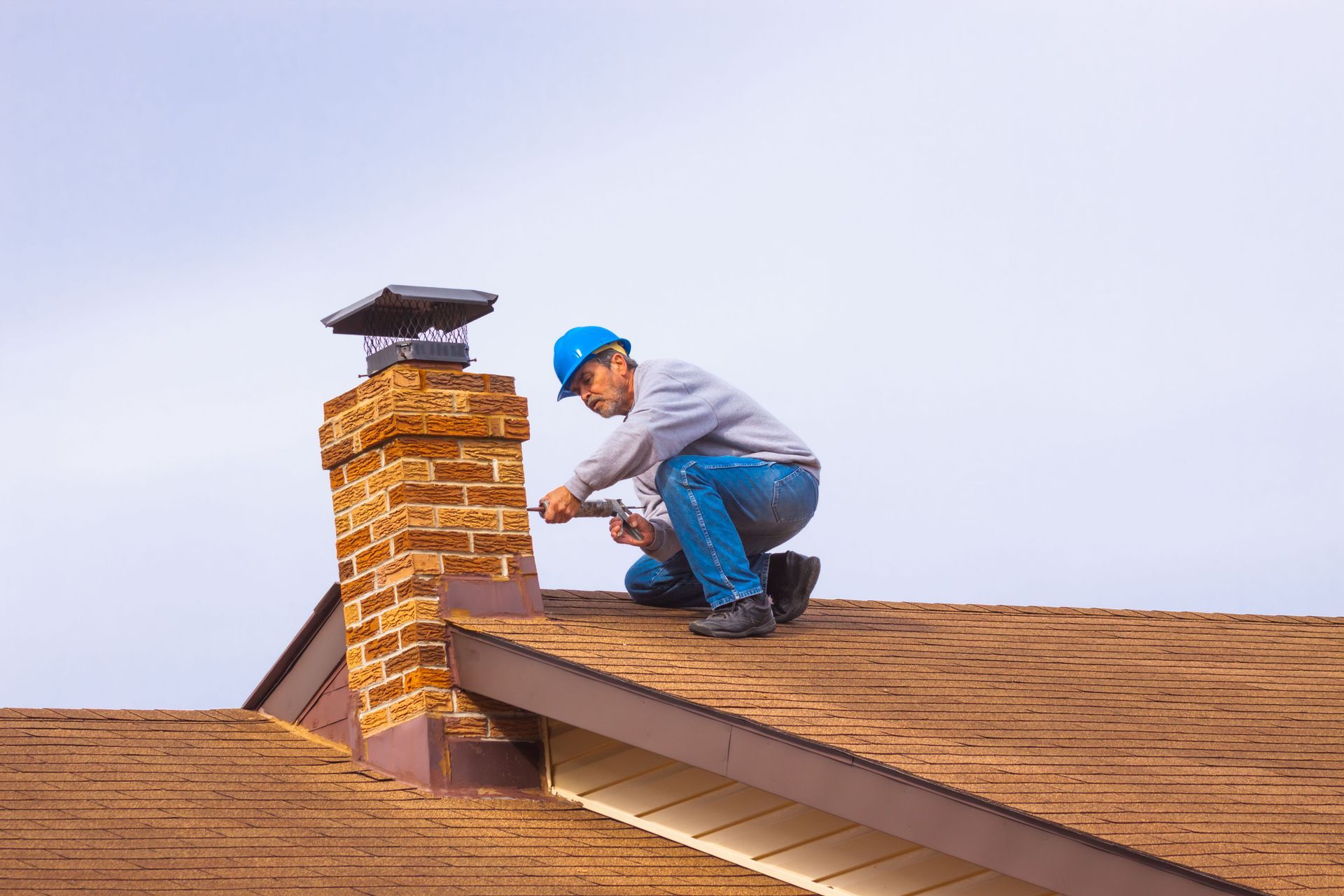
A well-installed chimney cap is an essential protective feature that many homeowners overlook during their routine outdoor maintenance checks. The cap prevents rain, snow, and local wildlife from entering the chimney structure, which could cause moisture damage or severe blockages. Beyond keeping out external elements, a quality cap helps manage airflow and prevents dangerous downdrafts that can blow smoke back into your home. Checking for corrosion or loose fittings on your cap should be a standard part of your yearly exterior home maintenance routine. A properly fitted spark arrestor on the cap also prevents embers from landing on your roof or nearby trees.
Checking and Cleaning the Firebox
The firebox is the area where the actual combustion takes place, and it must be cleaned regularly to function efficiently and safely. Over time, ash and burnt debris accumulate in the corners and on the grate, which can reduce airflow and create secondary fire hazards outside the intended burn zone. Regular cleaning of the firebox improves the heat output and reduces the amount of smoke produced during a fire. It is also important to check the firebricks and mortar for any cracks that might allow heat to reach the combustible framing of the house. Repairing these small cracks early can prevent a house fire and save you from a full fireplace reconstruction project.
Taking the time to follow a comprehensive safety checklist is the best way to enjoy your fireplace with peace of mind. By combining regular professional maintenance with smart daily habits, you can keep your home warm and secure throughout the coldest months of the year. Remember that a well-maintained chimney is an efficient one, saving you money on fuel while protecting your most valuable investment from fire damage. Prioritize your annual inspection today to ensure a cozy and hazard-free winter for your entire family and your home. For more information, contact Smitty's Chimney Sweep & Stoves.
Share On: